How to Listen to Salsa Music: A Beginner Exercise with Pulse and Clave
Salsa can sound busy when you are new to it. A singer, piano, bass, horns and percussion may all seem to ask for your attention at once. You do not have to identify every instrument before enjoying a song or attending a class. Try listening in short passes, with a different question each time. The aim is to hear more clearly, rather than prove that you can count perfectly from the opening note.
Keep pulse and clave separate in your mind
The pulse is the steady beat you try to feel underneath the music. Clave is a rhythmic pattern, not another name for every beat. Berklee PULSE’s lesson on clave introduces son and rumba clave and compares the two-three and three-two arrangements. For a beginner, the useful distinction is that a recurring pattern can sit across the beat rather than simply marking each beat in turn.
Do not make your first listening task finding every clave stroke in a full recording. Use a clear teaching demonstration first, then return to the song. You may not hear the wooden clave instrument prominently in every arrangement. If you are unsure what you hear, keep the question open instead of forcing a pattern onto the recording.
First pass: listen without moving
Choose one song that your teacher has used or recommends for beginner listening. Play a short section at a comfortable volume. For this first pass, do nothing except notice the overall character. Is the voice present straight away? Is the opening sparse or full? Does the sound change after the introduction?
Write down two observations in ordinary words. “The horns arrive after the singer” is useful. “I should understand this already” is not a musical observation. You are building a description that you can check on the next listen.
Second pass: follow one steady reference
Play the same section again. Try tapping a quiet, even pulse while seated or standing still. If you lose it, stop tapping and listen before rejoining. Avoid chasing every accent you hear. A bright percussion sound or a horn hit does not automatically mark the start of your dance count.
If finding the pulse remains difficult, bring that exact section to your teacher. Ask them to mark the beat while you listen. A concrete question about ten seconds of music is easier to work on than a request to explain an entire genre. There is no need to label the clave direction at this stage.
Third pass: notice a repeating layer
Now choose one sound that you can follow: perhaps a piano figure, a bass movement or a repeated vocal response. Listen for what repeats and what changes around it. You can hum a rough outline privately or mark the return of the sound on paper. You are listening for recurrence, not copying a full instrumental part.
This attention to separate parts fits the way salsa arrangements are studied: Berklee’s Writing in Salsa Styles course considers instrumentation and rhythmic parts alongside clave. You do not need the course’s composition skills to ask a simple question such as “What keeps going while the singer changes?”
Fourth pass: hear a change, then choose a response
Listen once more and pick a moment where the texture changes. The band may become quieter, a chorus may return or the horns may create a strong interruption. Describe the sound before thinking of a dance move. Then imagine a small response: wait, keep the basic or use a quieter movement. These are practice choices, not rules for every song.
If you try the exercise while dancing, use material you already know and leave room to stop. Do not turn a listening session into an attempt to add unfamiliar spins. When practising with someone else, agree that the task is listening, not completing a combination.
Keep a small listening notebook
Record the song title, the section you repeated and one new thing you noticed. On another day, listen again before choosing a second song. Familiarity gives you something specific to compare; a longer playlist does not automatically create better attention.
Our guide to salsa music introduces the orchestra and song structure. Use the glossary when words such as coro or montuno come up. Let those terms describe sounds you are starting to recognise, rather than turning them into a vocabulary test before your next dance.
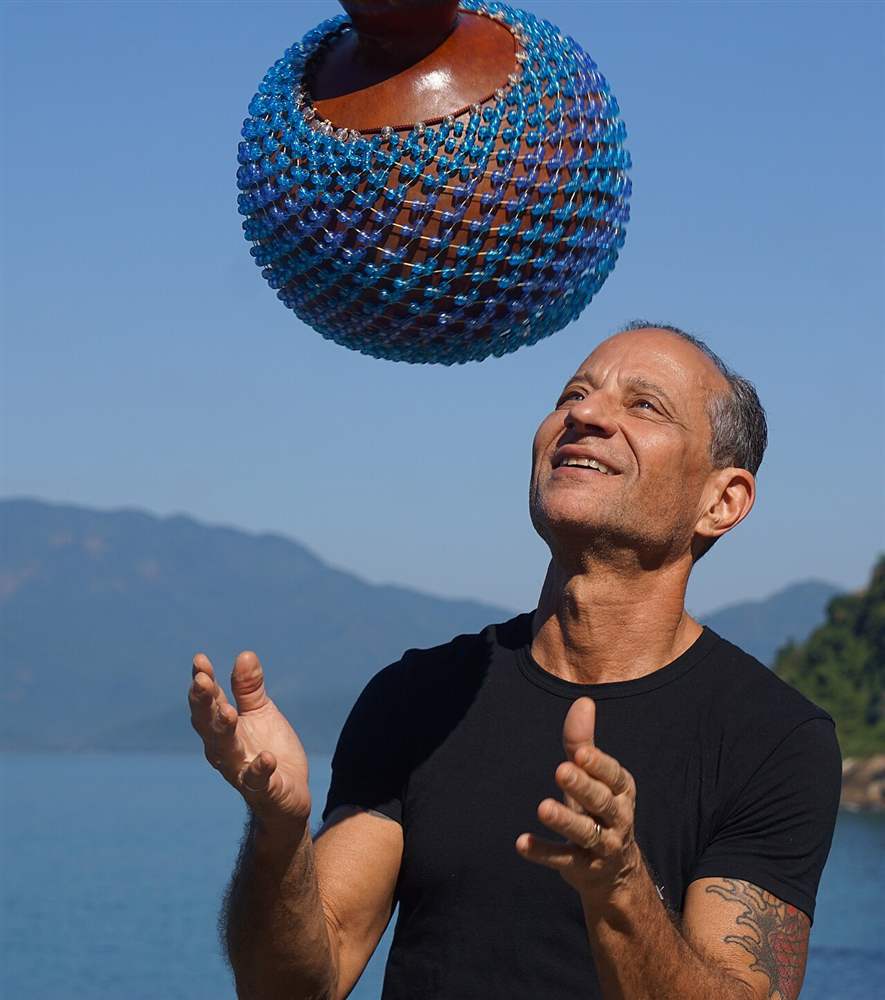
Illustrative photograph: Frank Colon with a shekere, CC BY-SA 4.0. Resized and JPEG-compressed.