How to Choose Your First Salsa Shoes Without Buying Too Soon
A search for salsa shoes can quickly produce more choices than a first lesson needs. You will see different soles, heel shapes, straps and labels for practice or performance. Start with the class you plan to attend, not a product photograph. Your first task is to find out what footwear the venue allows and what you can already use. A specialist pair can wait until you understand what you want it to do.
Ask the teacher before making a purchase
Footwear advice is not identical at every school. Salsateca tells new students that comfortable ordinary shoes, including trainers, can be suitable for its beginner classes. City Academy’s FAQ also notes that specialist footwear is not essential at beginner level, while advising students to check the requirements of their chosen class.
That is a reason to ask locally, rather than a rule that every trainer works on every floor. Tell your teacher what you own. Ask whether you need a clean indoor pair, whether any soles mark the surface and whether the class involves turns from the first session. Your venue’s answer is more useful than a universal shopping list.
Separate your needs from the look of the shoe
Write down where you expect to dance: one weekly studio class, occasional socials or a mixture of venues. Then note what you like and dislike about your current pair. Perhaps the fastening feels loose, the sole catches during a small turn or you spend the lesson thinking about your feet. Describe the problem before deciding that a different heel or brand will solve it.
A sensible first budget includes the possibility that you will change your mind. Check returns, exchange conditions and whether trying the shoes on a floor affects eligibility. Do not assume that a dance-shoe listing uses the same sizing as your everyday shoes. Ask the retailer how that particular model is meant to fit.
Use a calm fitting checklist
Try both shoes with the socks or hosiery you expect to wear. Fasten them properly, stand normally and take a few small steps in the permitted fitting area. Check whether your heel stays in place, whether your toes have room and whether a strap needs constant adjustment. A shoe should not require you to curl your toes to keep it on.
If the retailer permits it, try a small weight change and a gentle pivot. You are checking how the shoe behaves, not testing a fast spin. Compare two sizes or shapes if something feels uncertain. Ask the teacher or retailer about any discomfort instead of assuming that every awkward feeling is part of learning to dance.
Choose heel height as a personal decision
A high heel is not an entry requirement for learning salsa. Choose a height and shape that you can manage comfortably in the situations where you intend to dance. Leading and following are dance roles, not footwear categories; you do not have to buy a particular style because of the role you choose.
When comparing soles, ask what surfaces the pair is designed for and how it should be maintained. If a sole is sold for indoor dance use, check the maker’s instructions before wearing it outside. Avoid adding powders, sprays or improvised sole treatments to a venue’s floor. Ask the organiser if the surface feels unsuitable.
Review the purchase after real classes
Once you have worn the pair in an appropriate class, keep a short note: did the fastening stay secure, did the shoe distract you and was the floor different from the one where you tried it? That record helps you make the next decision without collecting shoes for problems you have not actually experienced.
Our getting-started guide covers the rest of a first-class checklist. If a course description uses unfamiliar style names, read about salsa styles and ask the teacher what the class will involve. Buy for the dancing you are doing now, with room to learn what you prefer.
Do I need a separate pair for every venue?
Not automatically. Start by checking each venue’s rules and the manufacturer’s intended use. A clean, suitable pair that meets those requirements may be enough. You can decide whether another pair is worthwhile after you have experience of the different floors.
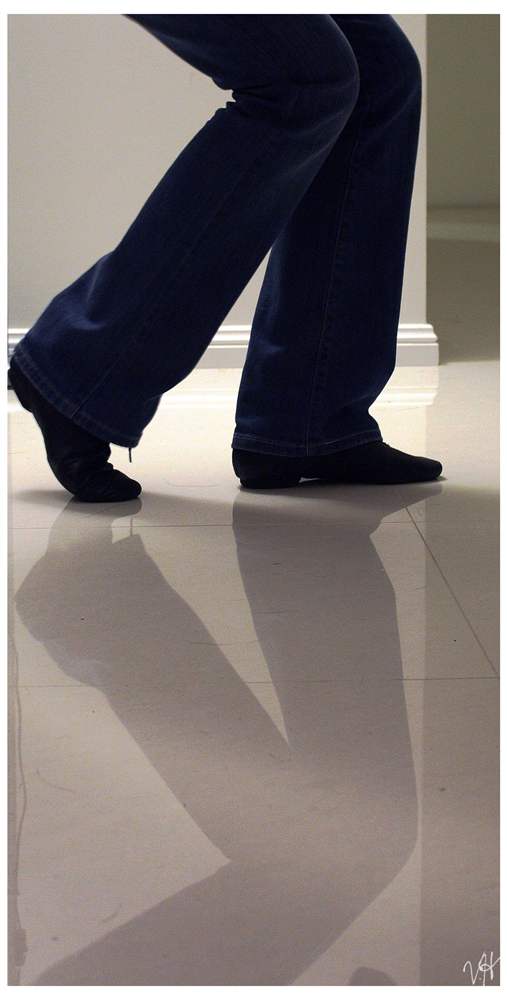
Illustrative photograph: Vinni, CC BY 2.0. Resized and JPEG-compressed.